|
|
This
is a River Raisin Models SD7 OMI 1733 released in 1994. The SD9 was made at
the same time. I had some advisory input in making the PRR version of the SD9 that made that version unique. I
bought 2 of the PRR SD9 new in 1994. At that time in 1994 and mostly still
now I try to model the common not the
rare and one of a kind. The
PRR only had 2) SD7 which is why I never bought any in 1994. Luckily I told
River Raisin to not make any “PRR Version” SD7 because they would have been
really wrong. There was no PRR version. Getting such prototype information
was much more difficult without the internet in the early 1990s. In the end
it did not matter. The PRR SD7 never got the Trainphone antennas giving them
a mostly stock looking outside appearance. But these 2 locos had many special
options making them FAR from being “stock”.
|
|
















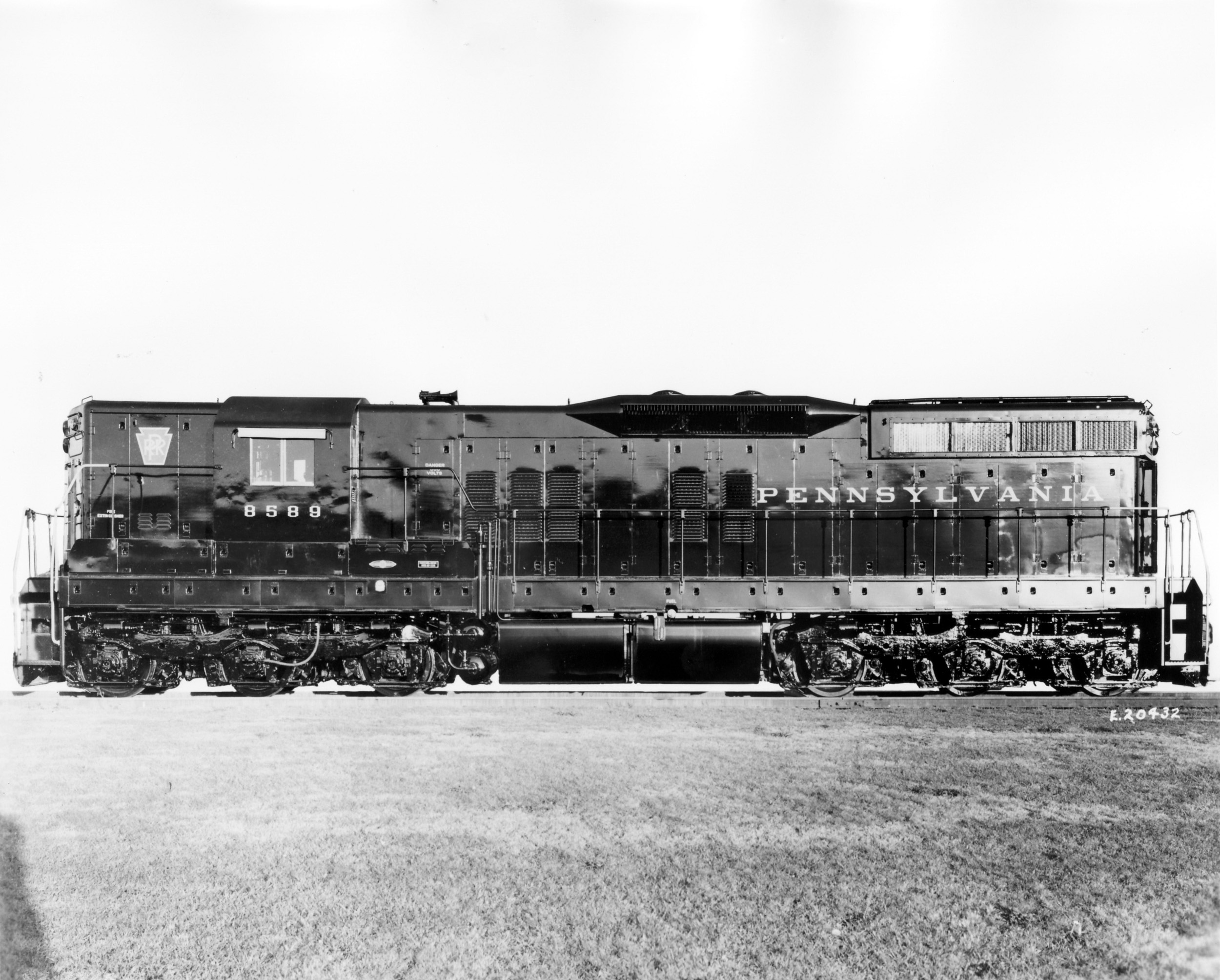
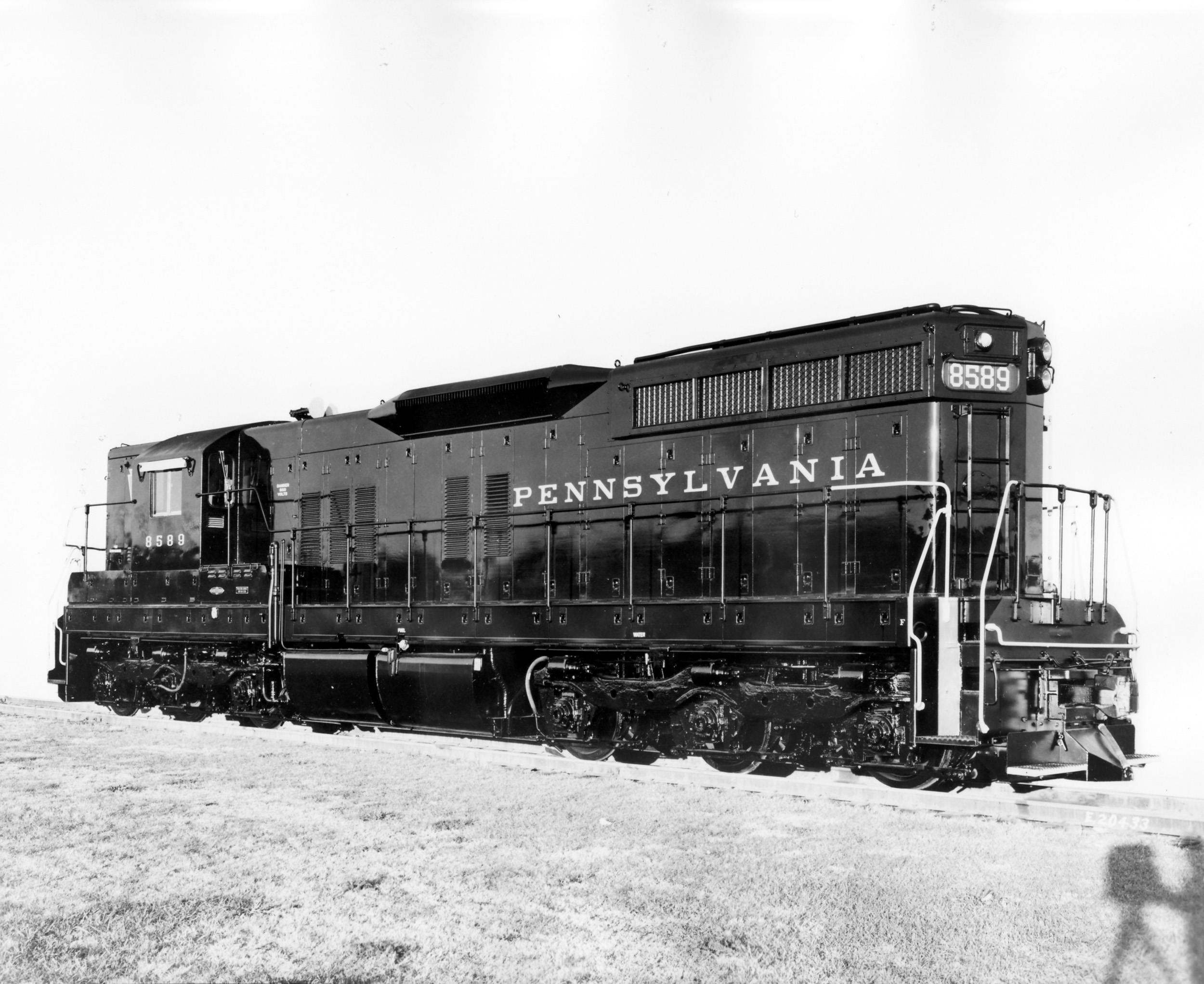
History of the PRR SD7
When the PRR was trying to complete the transition to diesels in
the mid to late 1950s every available dollar was being used to buy new locos
making the PRR tight on cash. Given the versatility of most diesels could go
and be used anywhere the PRR took a very different direction. So when ordering
instead of going for generic use locos they were ordering very specific options
almost like THAT loco was going to run on THAT train forever, thinking they
would save money. That seemed shortsighted to me by not getting all units well
equipped, increasing where and how they could be used. The SD7 was replacing a
previous purpose built steam loco called The Reuben Wells.
The SD7 was assigned to run up 1.3 mile Madison Hill in Madison
Indiana. It was a 5.98% grade which was the steepest standard gauge main line
grade in the US. It is even steeper than Saluda grade. There was a very strict
set of safety rules on making this run. The loco had to be downhill from the
cars at all times no matter which direction the train was going. Some other
interesting facts about both locos:
1.
The frames were made with thicker steel
than needed to add weight as ballast for better traction.
2.
The traction motors were a special
65:12 gearing
3.
There was a rail washing system added
that sprayed water on top of the rails to wash leaves off which could be
slippery.
4.
They were not ordered with M U
capabilities which remained even into their Conrail service.
That was really surprising to me. M U was added later. PRR 8589 became Conrail
6999 which became TRAA 1751 at some point. There are photos of TRAA 1751 with
MU equipment.
5.
They had low speed dynamic brake
transition.
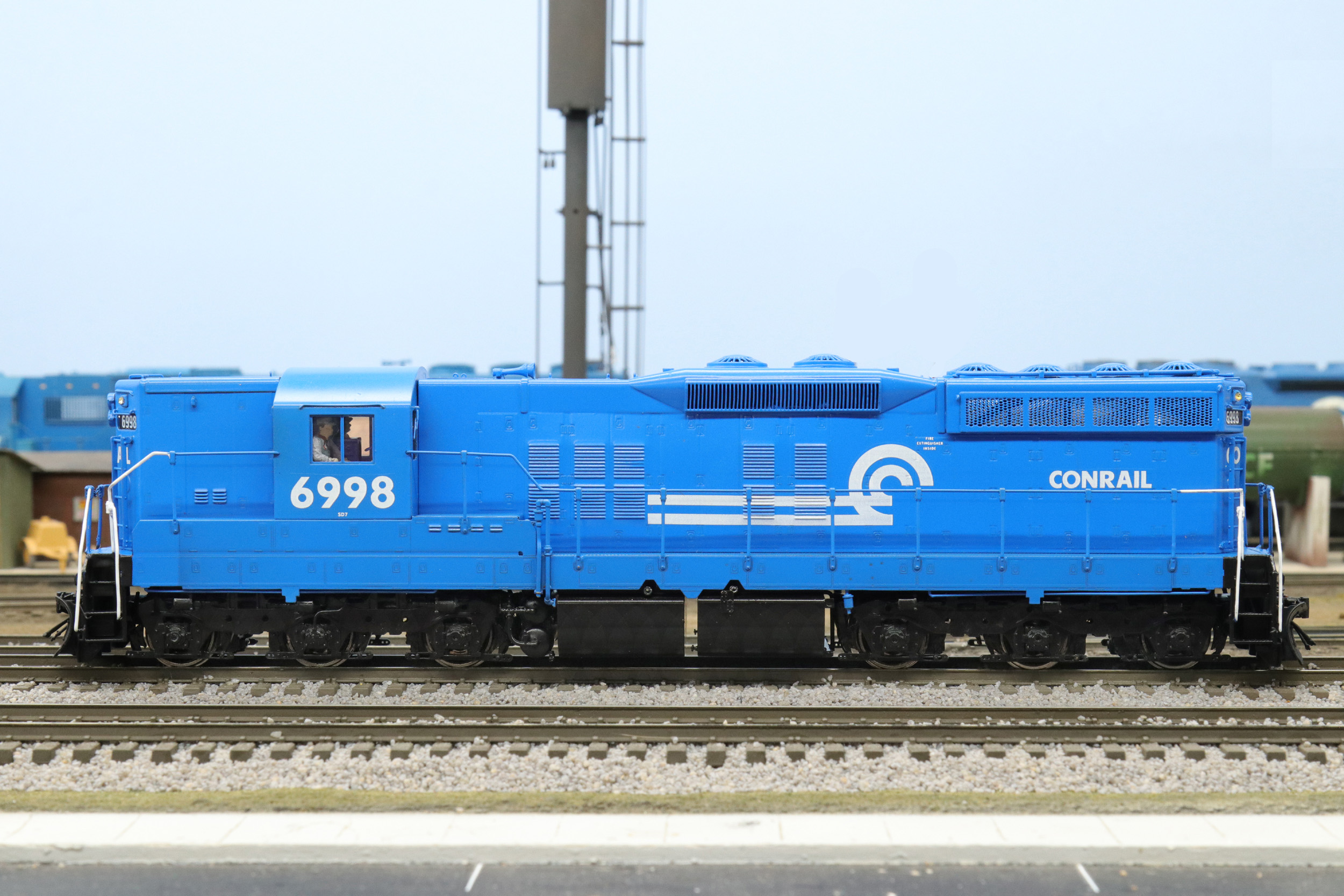
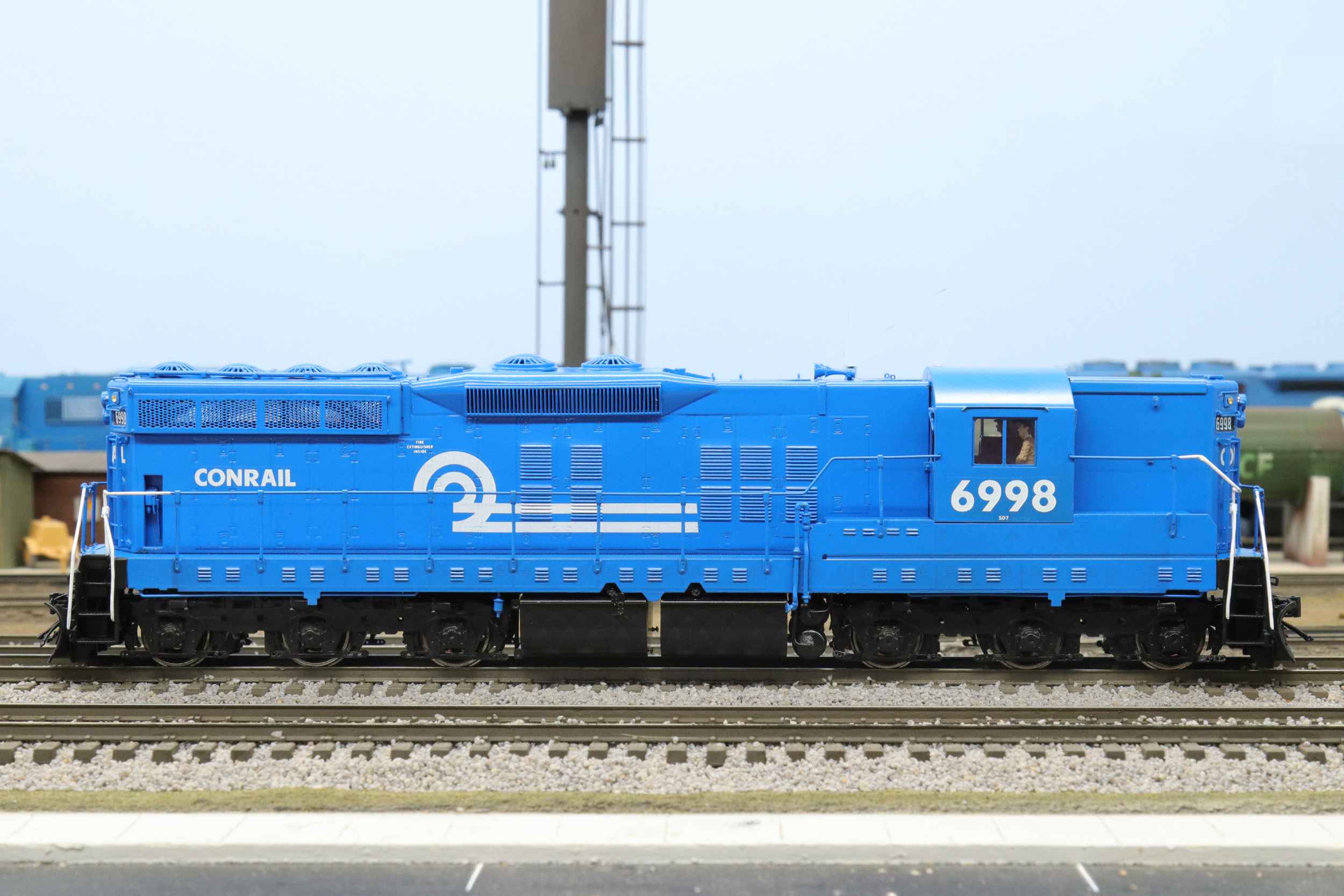
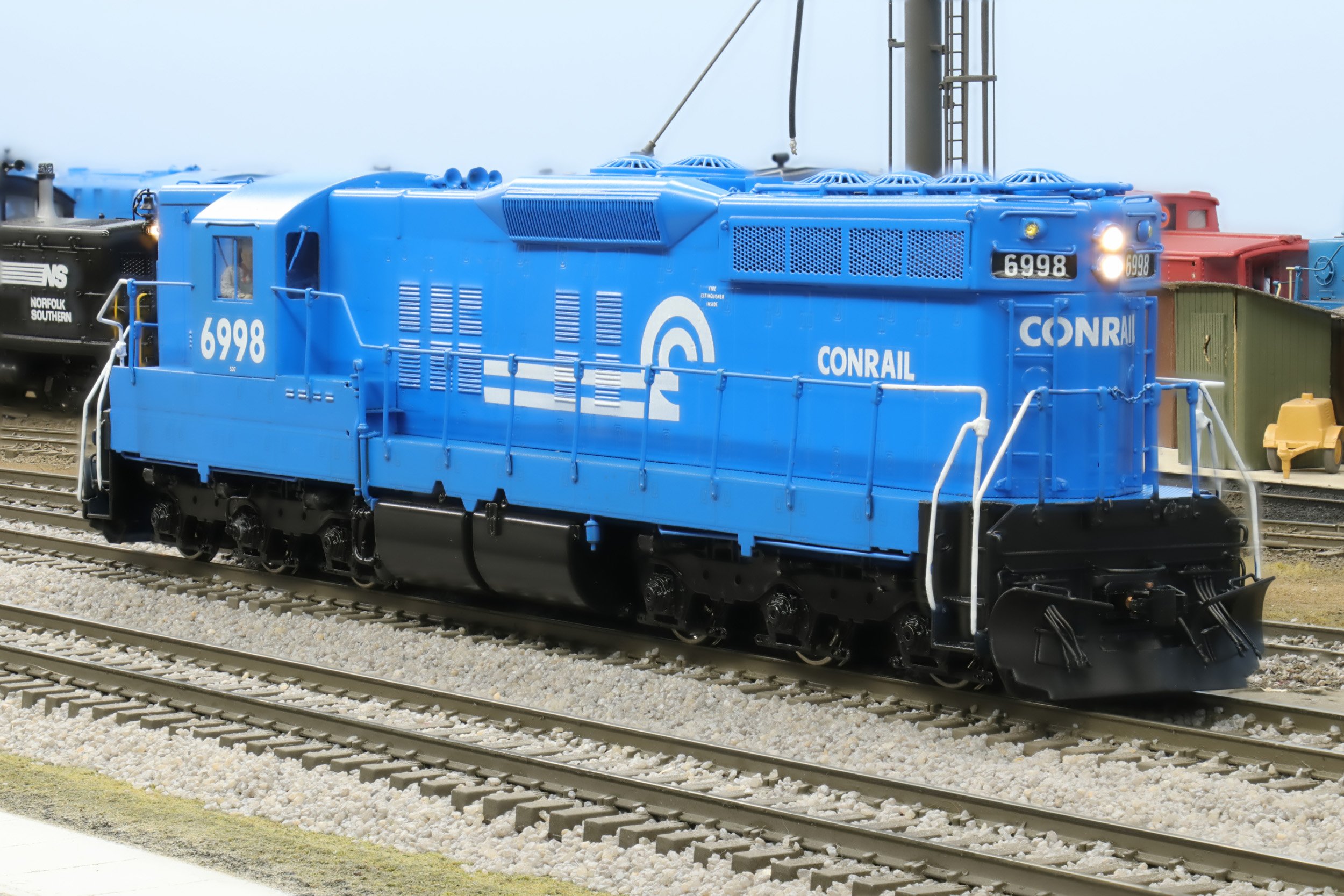
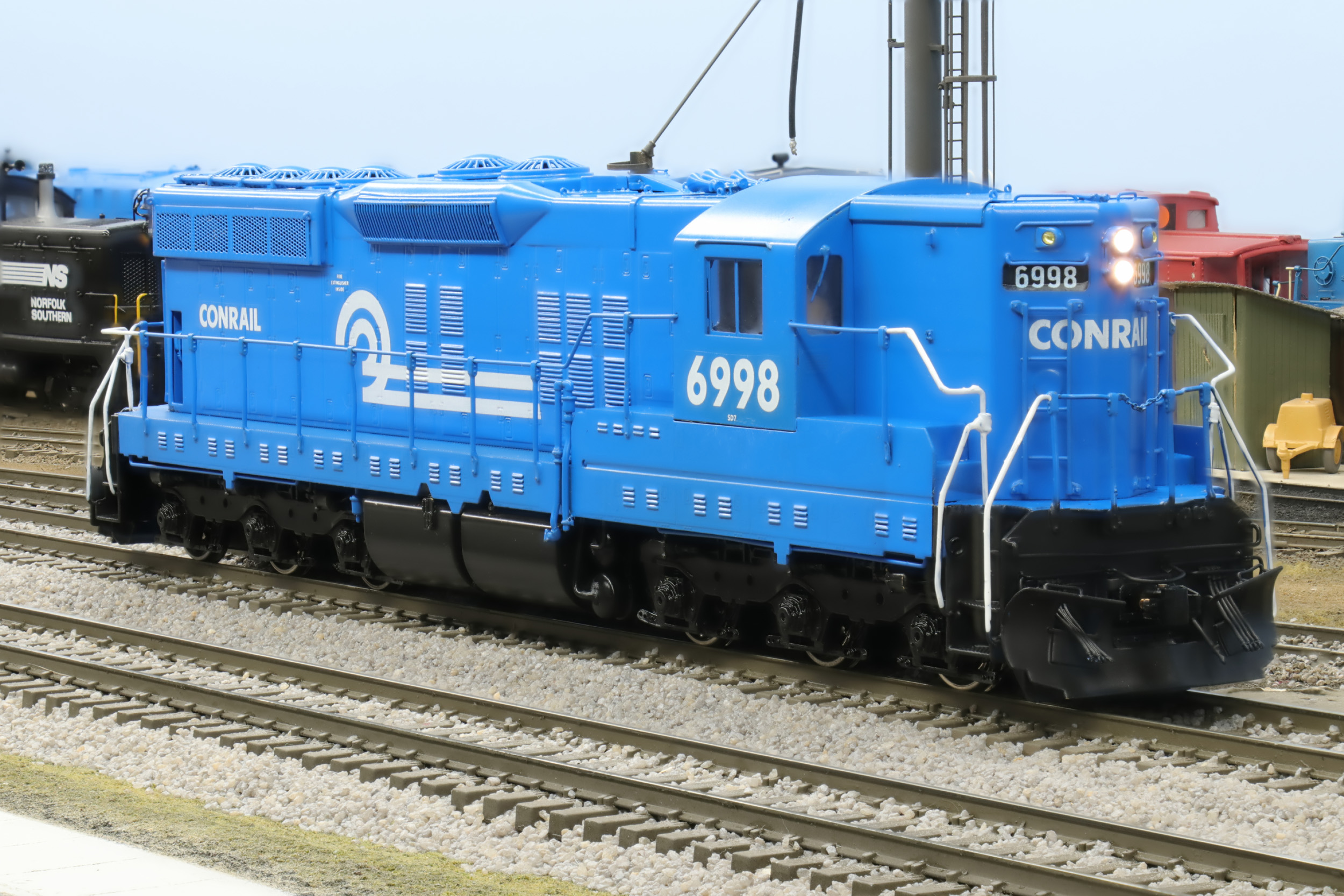
Conrail
SD7 6998
Ironically almost all the on line photos I found of 6998 were on the
fireman’s side of the loco.
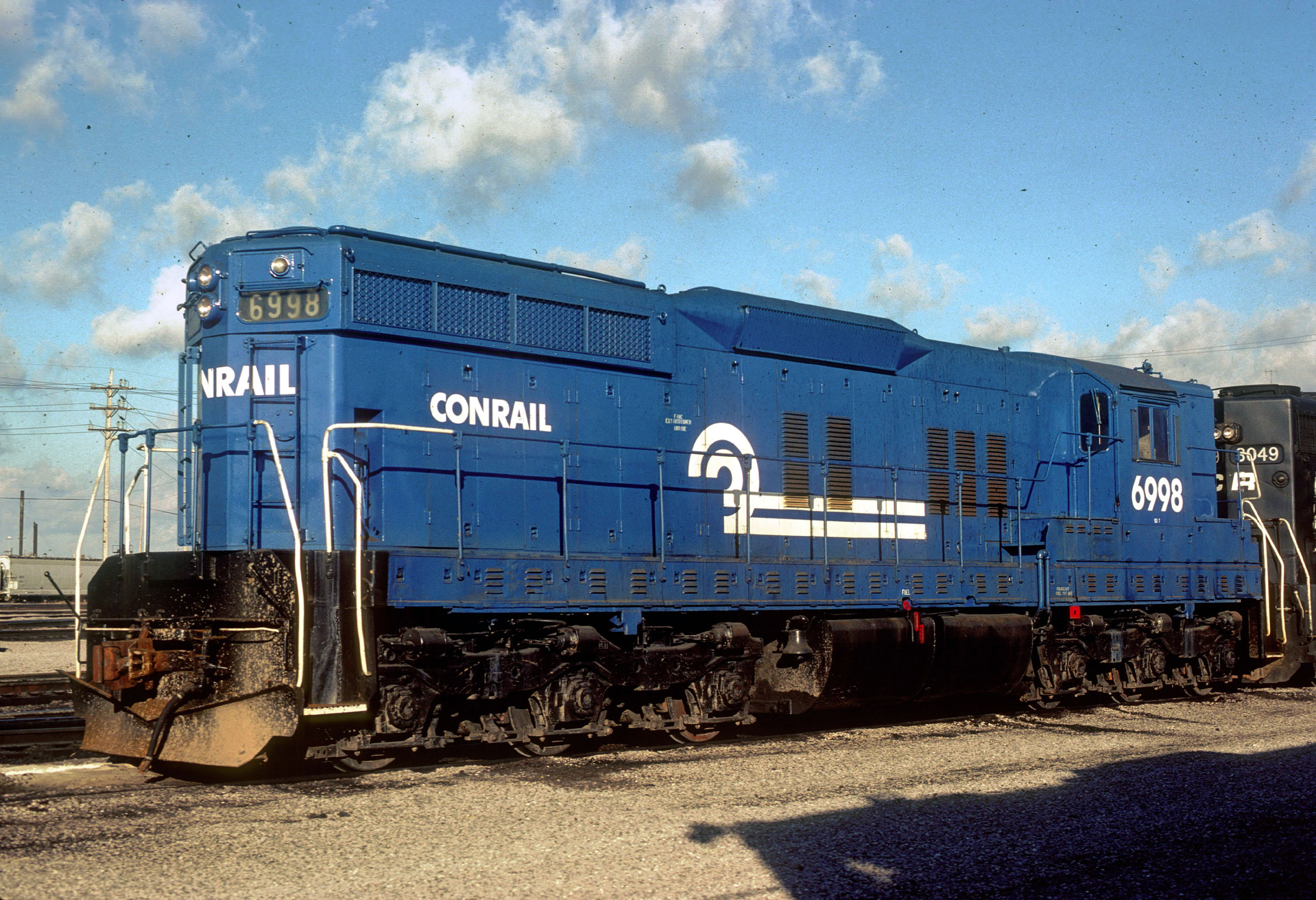
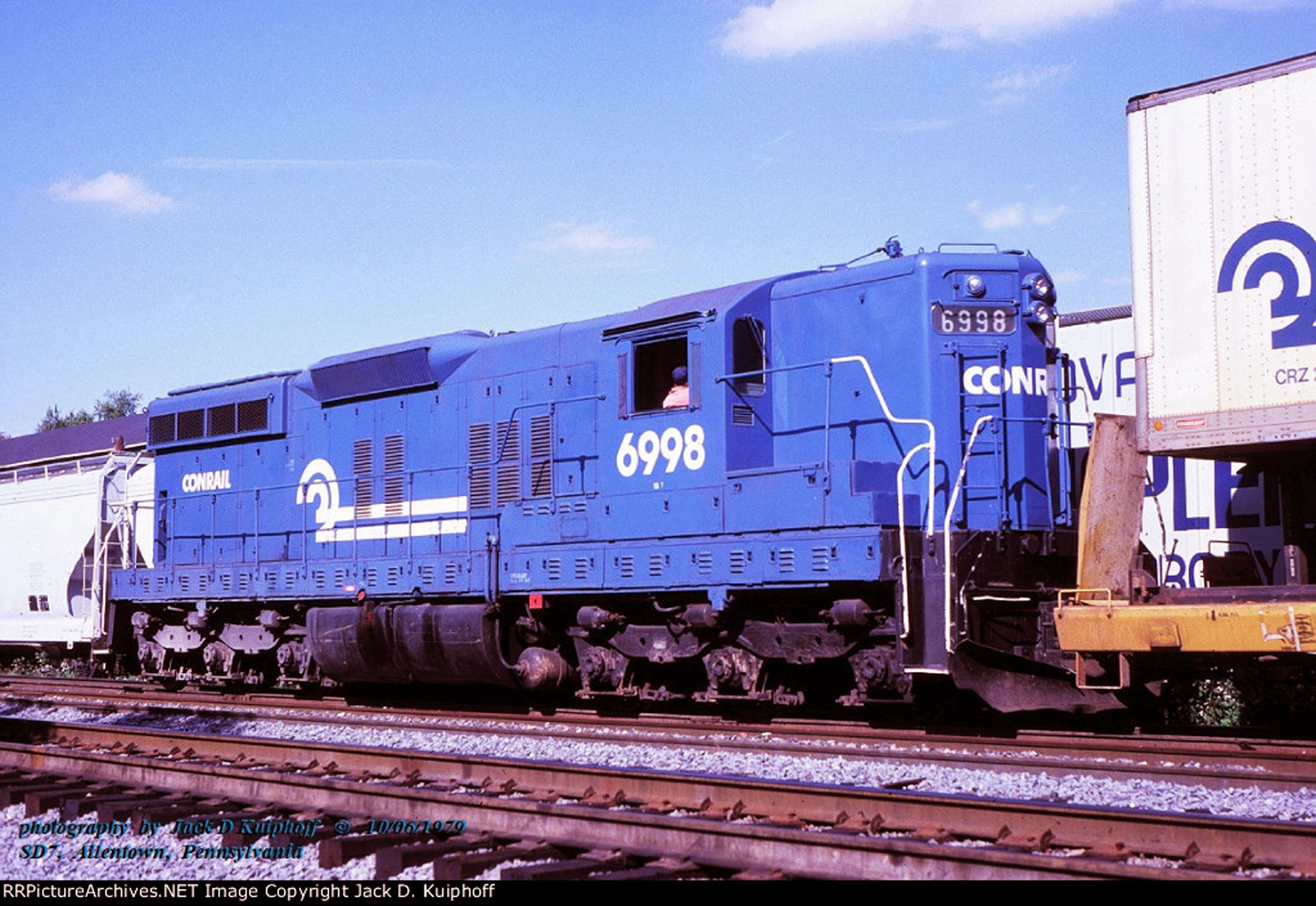
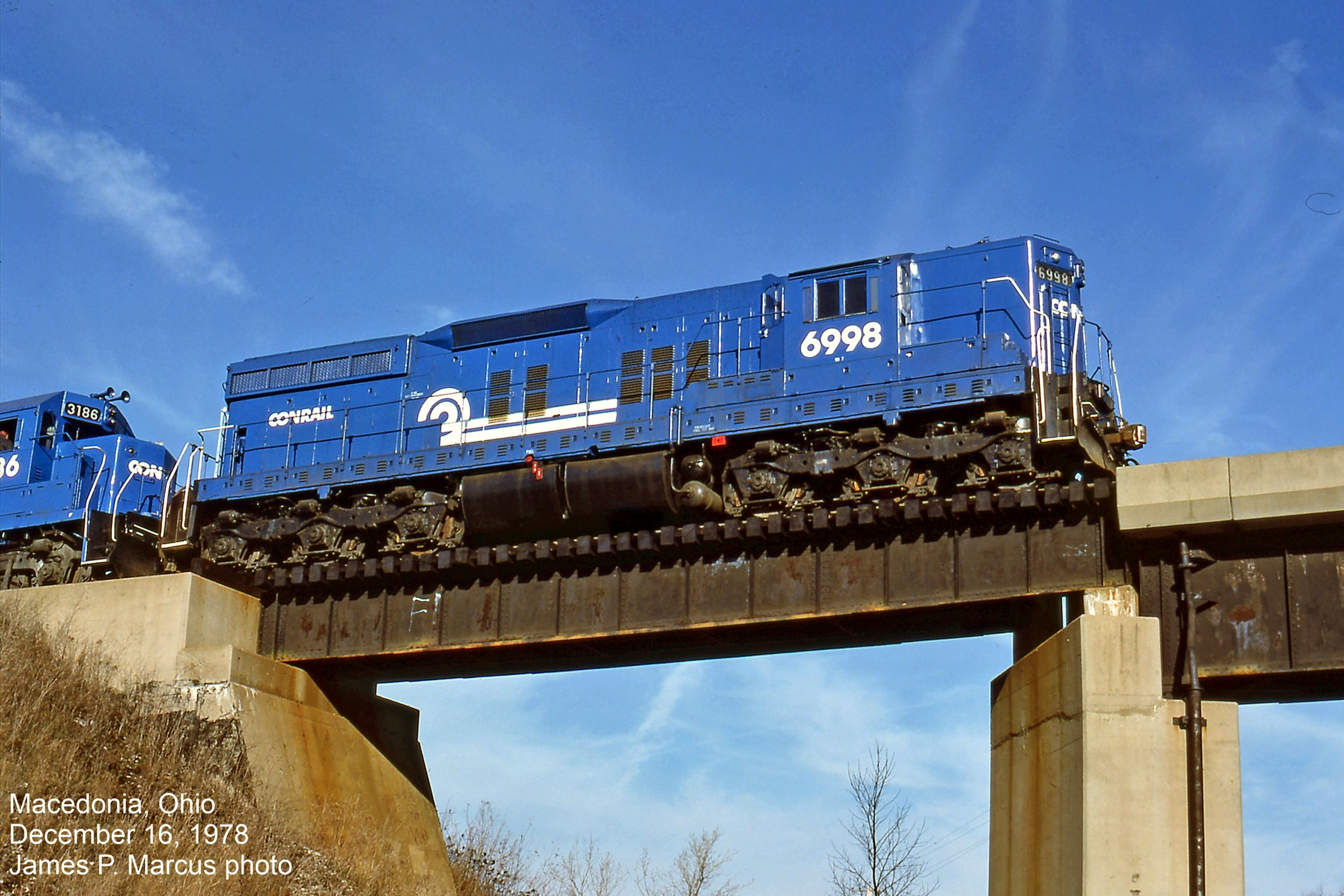
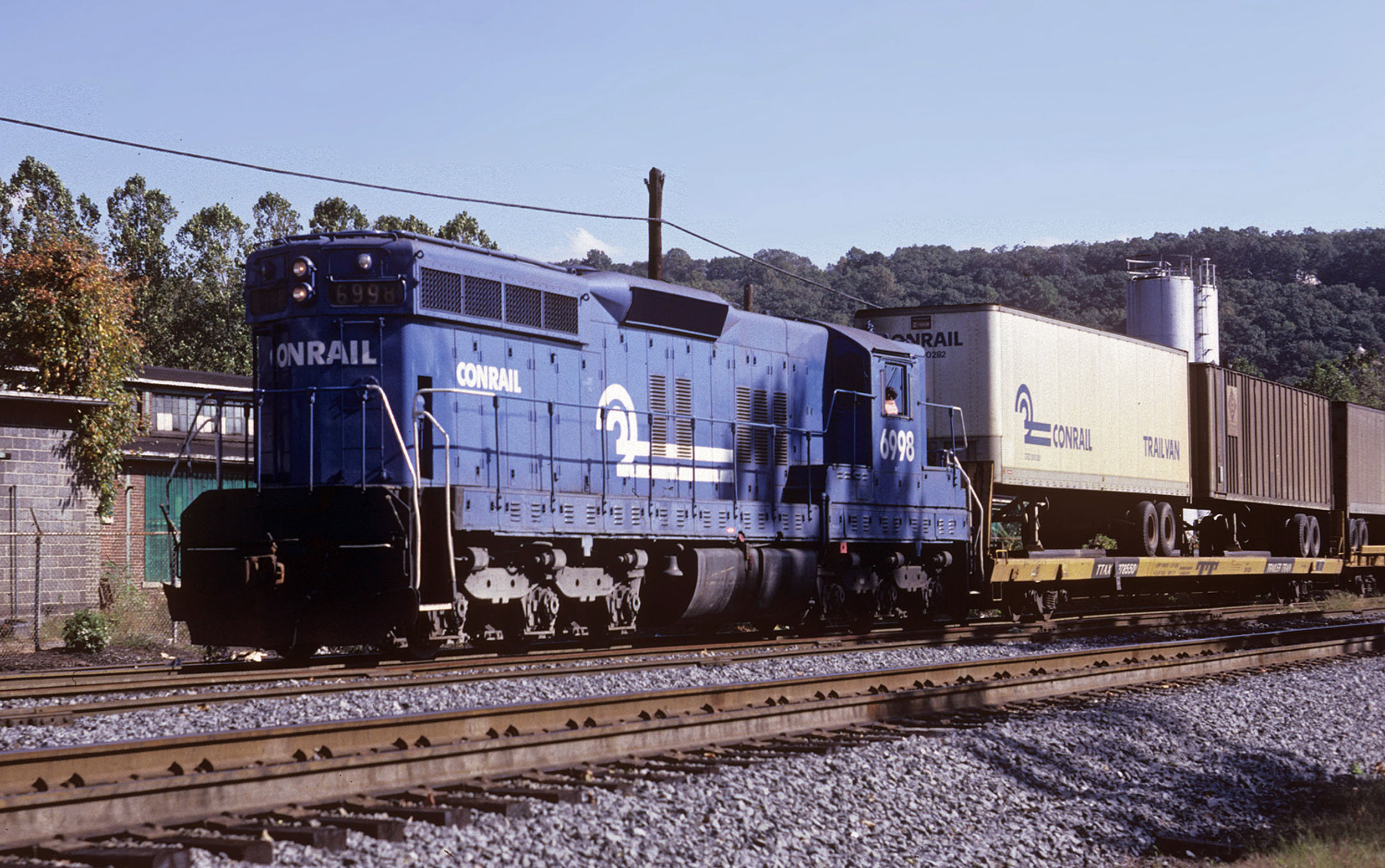
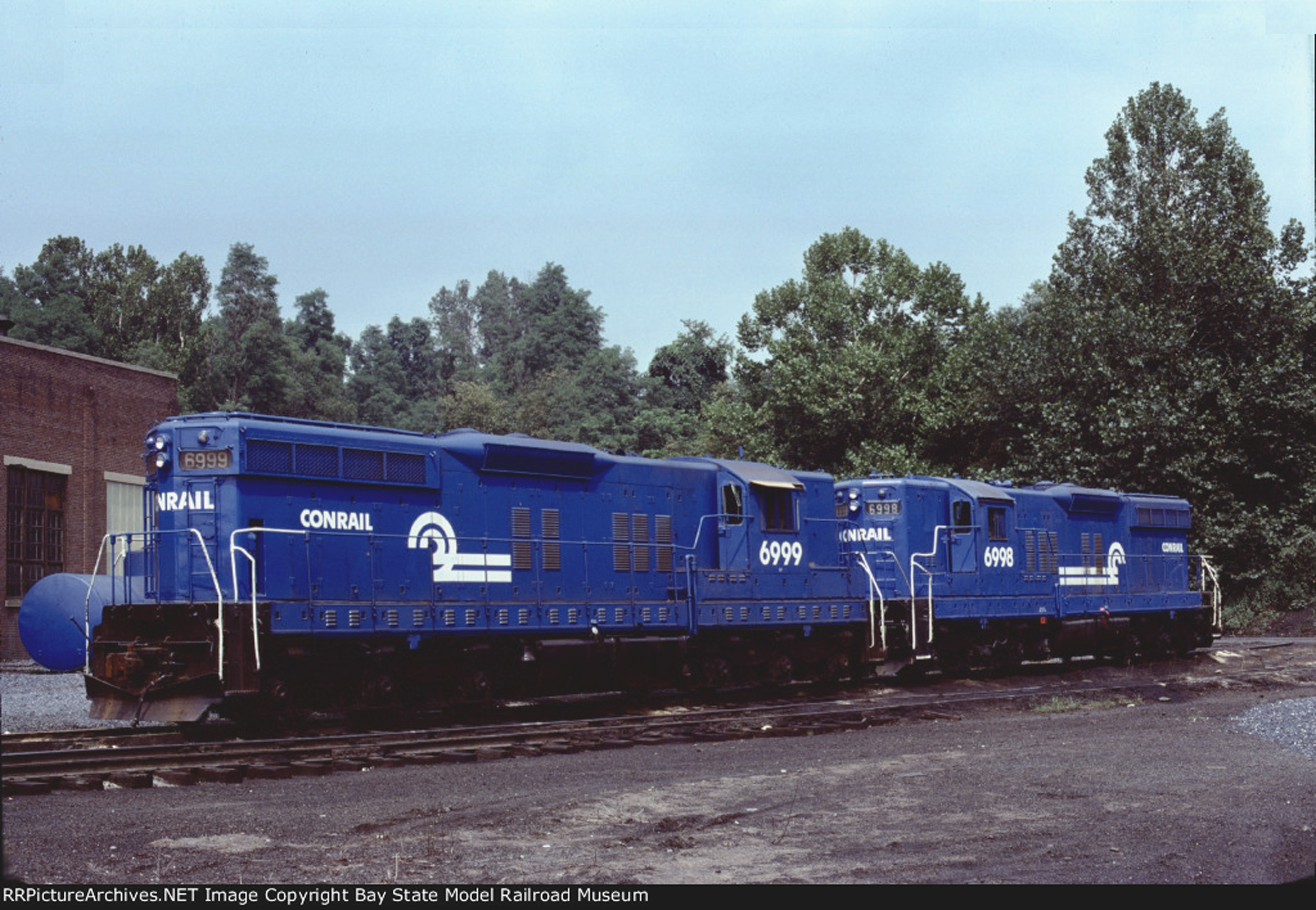
This loco was an occasional project worked on in between MANY
other projects. There was no real in progress photos taken because it is mostly
just an easy paint job. I have moved away from grinding away on the minutia of
a project to get them done with a reasonable time frame and effort. Lately that
usually includes no weathering.
Added snowplows
Changed cab and crew to
face long hood forward. Overland usually got that
part wrong
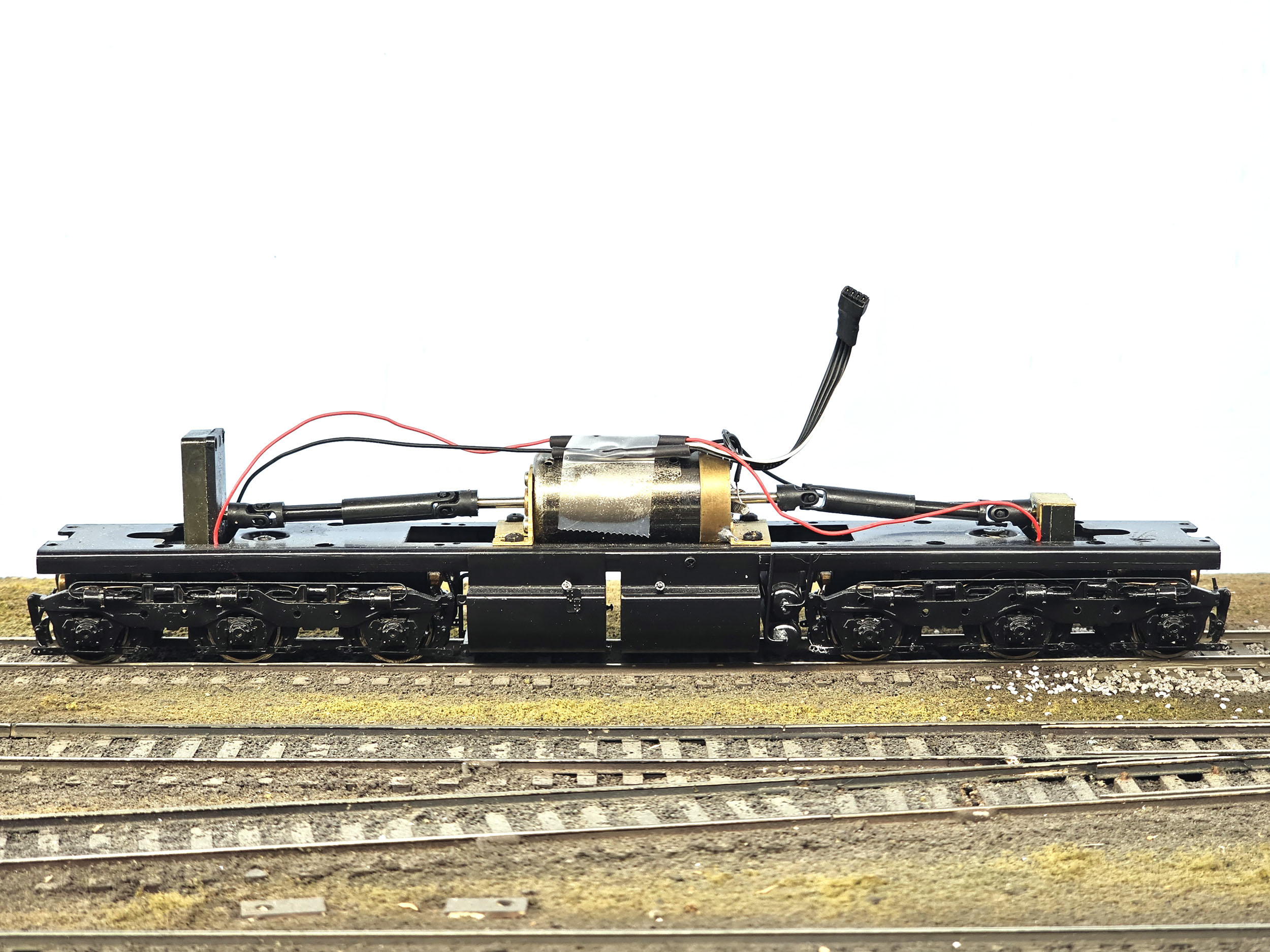
Changed motor to Sagami
Decals by Circus City.
This is my typical motor swap for this era Overland locos as
built with 2 small “HO” motors that were not even connected to each other to my
favorite 22mm x 40mm Sagami motor. The new driveshafts are Overland as well. This
the same drive that is in my Conrail RS11
so they will run well together.
Completed
8-30-26
Updated
9-1-26
All photos and content © Lanes Trains 2005-2027